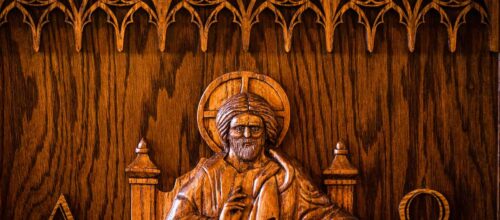
Formula of Concord Study: Article XI
The last single-issue article of the Formula of Concord, Article XI is unique in that it was largely preemptive. While acknowledging that no major struggle had yet erupted over this article of faith...

The last single-issue article of the Formula of Concord, Article XI is unique in that it was largely preemptive. While acknowledging that no major struggle had yet erupted over this article of faith...
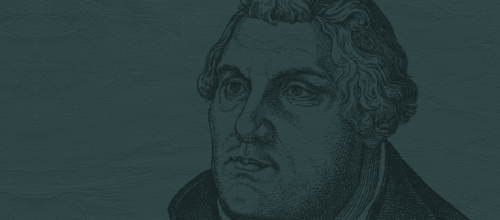
Martin Luther was born in Eisleben on November 10, 1483 to Hans and Margarethe Luder. Whereas Luther’s mother was from an economically prosperous family, his father was from more humble origins. His family was nevertheless...
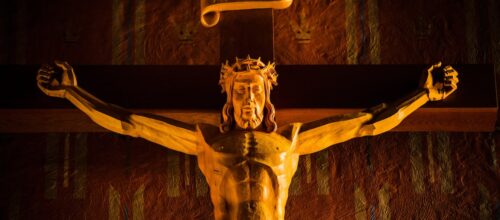
The Bible is dripping with verses which teach that the Triune God - the Father, Son, and Holy Spirit - created all things and that this same God has redeemed us from sin, death, and hell through the blood of the incarnate Son.
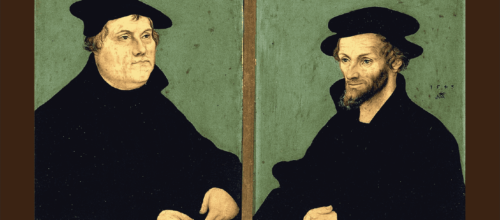
he friendship and partnership of these two men towered above any other relationship in Wittenberg or beyond. Of the seven documents contained in the Book of Concord, three were written by Melanchthon and three by Luther.
What was conversation like around the dining table in Martin and Katie Luther's home? What was talked about? Was it always theology? In the Table Talks we're given a glimpse...

The Lutheran Church—Missouri Synod’s Stewardship Ministry creates bulletin sentences and newsletter articles each month to use in church publications.
“But the serpent said to the woman, ‘You will not surely die.’” (Genesis 3:4)
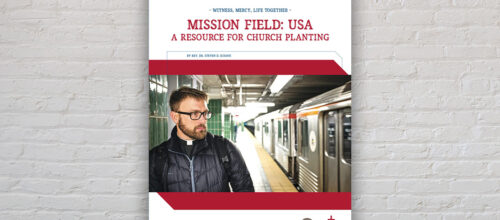
The manual offers a step-by-step approach from forming a core group to becoming a fully established congregation in the LCMS.

This month President Harrison shares news about our universities, the demographic decline of our Synod, the March for Life, Ministry to the Armed Forces and much more.
Arguably the most opaque passage of the Creed is that Christ descended into hell. The passage is based on Scripture, but these scriptural passages (e.g., 1 Peter 3) lend themselves to multiple interpretations...
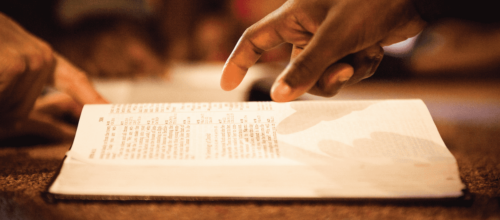
The first thing to note about the interacting with the gospels is that the each has to do with the Gospel.
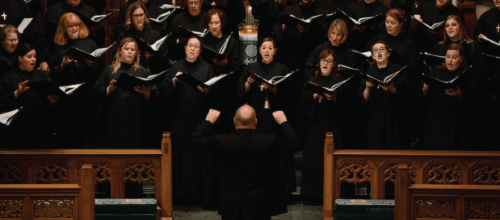
Based on Psalm 45, the hymn quickly became extremely popular in Germany and was used for a variety of occasions. The tune is believed to be a reconstruction of “Jauchzet dem Herren, alle lande,” Psalm 100, included in Wolff Köphel’s Psalter (1538).

DiLeone will share her experiences as a daughter who shared the journey through Alzheimer’s disease with her mother.
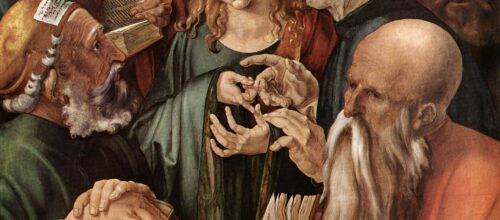
Faces, hands, and books swirl around the divine Child in Albrecht Dürer's oil painting Christ Among the Doctors. The artist's rendition of Luke 2:41-52 is far from a typical, placid, generic temple scene!
The Lutheran Church—Missouri Synod’s Stewardship Ministry creates bulletin sentences and newsletter articles each month for congregations to use in church publications.