Journal of Lutheran Mission – March 2017
Interested in learning about LCMS missions and missionaries who will be pioneers of global mission work right here in our own backyard?

Interested in learning about LCMS missions and missionaries who will be pioneers of global mission work right here in our own backyard?
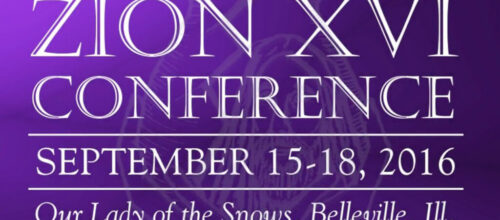
The Lutheran Church—Missouri Synod hosted the Zion XVI Conference entitled "Lutheran Accents in Speicalized Pastoral Ministry" Sept. 15-18, 2016.
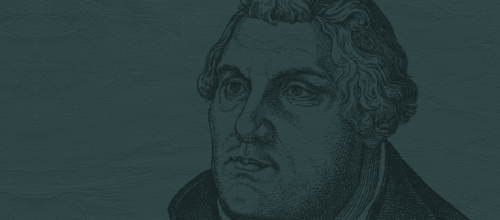
The Gospel reading for Invocavit is Satan’s temptation of Jesus in the wilderness. While Luther never explicitly refers to the text, he warns his hearers of succumbing to the devil’s temptations when they neglect the Word of God.

Hartung will share insights and applications for parish nurses from his book Holding Up the Prophet’s Hand, published by Concordia Publishing House.
On Invocavit Sunday (the First Sunday in Lent), 1522, Martin Luther began a series of eight short sermons in which he taught the people of Wittenberg how the reformation of the Church should be carried out.
A key teaching of the Reformation is Luther’s understanding of the three estates established and instituted by God: the church, the home, and the state.
Media Research Center writer Katie Yoder and KFUO Radio host Kip Allen discuss how the 2017 March for Life was covered by the mainstream media.
LCMS Communications team members Deaconess Pam Nielsen, Dr. Kevin Armbrust and Erik Lunsford discuss their experiences after attending the 2017 March for Life on Jan. 27 in Washington, D.C.
If you think about theological error like the course of a ship, a little variance in the direction of the ship can have immense effects on the final trajectory toward the destination.
To consider Christ’s glorious Transfiguration on its own is eye-opening; to hear how Luther describes this glory as yours nearly bursts the eyes from their sockets, bringing hope to the Christian heart.
Lutheran Church—Missouri Synod Rev. Phil Zielinski and his wife, Sara, in 2010 adopted five girls from the country of Columbia, and he discusses their "Eyes of Life" story during an interview with KFUO Radio host Andy Bates.
Lutheran Church—Missouri Synod leaders share enlightening, comforting poll results following the 2016 National Youth Gathering.
When Martin Luther prepared the text of the Small Catechism, he included a list of duties that people in various callings and stations in life have, as both a command and blessing from God.
LCMS Deaconess Kim Schave and KFUO Radio host Andy Bates discuss the popular 'Fifty Shades' books and movies and their influence on domestic violence.

This month, President Harrison highlights the Synod’s missionaries and talks about his experience at the recent March for Life in Washington, D.C.